
What Is a Dental Filling?
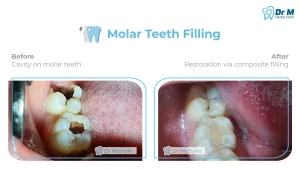
A dental filling is a common treatment used to repair a tooth that has been damaged by tooth decay (a cavity).
When bacteria and plaque cause a cavity, the affected portion of the tooth may need to be removed. The resulting space can then be restored with a suitable filling material.
Dental fillings can help restore the tooth’s shape and function while preventing the cavity from continuing to progress.
If you are looking for a dentist in Ipoh because you have a suspected cavity, tooth sensitivity or a small hole in your tooth, a dental examination can help determine whether a filling is appropriate.

What Causes Tooth Decay?
Tooth decay develops when bacteria in dental plaque interact with sugars from food and drinks.
This process produces acids that can gradually weaken the tooth structure.
Over time, untreated decay may progress deeper into the tooth.
Common factors that can increase the risk of tooth decay include:
- Frequent consumption of sugary foods and drinks
- Poor oral hygiene
- Inadequate cleaning between teeth
- Dry mouth
- Certain dietary habits
- Previous dental decay
- Infrequent dental check-ups
Good oral hygiene and regular dental examinations can help reduce the risk of cavities.
How Do You Know If You Need a Filling?
Early tooth decay does not always cause obvious symptoms.
Some patients may experience:
- Tooth sensitivity to cold or sweet foods
- Toothache
- Pain when biting
- Food frequently getting stuck between teeth
- A visible dark spot or hole
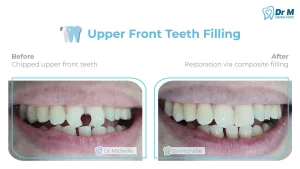
- A chipped or damaged area of the tooth
However, a tooth can have decay without causing any pain.
This is one reason regular dental examinations are important. Your dentist can identify problems that may not yet be noticeable to you.
What Happens During a Dental Filling?
If your dentist determines that a filling is suitable, the procedure generally involves several steps.
1. Examination
The dentist examines the tooth and may recommend an X-ray if necessary to determine the extent of the decay.
2. Local Anaesthetic
Depending on the location and depth of the cavity, local anaesthetic may be used to numb the area and make the procedure more comfortable.
3. Removing the Decay
The dentist carefully removes the decayed portion of the tooth.
4. Cleaning the Area
The prepared area is cleaned to remove remaining debris before the filling is placed.
5. Placing the Filling
A suitable filling material is placed into the prepared area and shaped to restore the tooth.
For tooth-coloured composite fillings, the material is hardened using a special dental light.
6. Checking Your Bite
The dentist checks the filling and makes any necessary adjustments so that your bite feels comfortable.
What Are Tooth-Coloured Fillings?
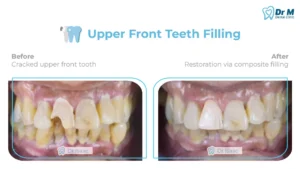
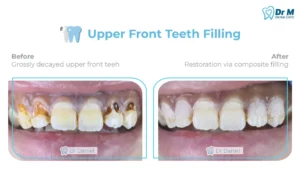
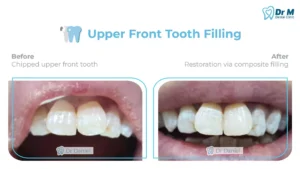
One common type of dental filling is a tooth-coloured composite filling.
Composite resin can be matched relatively closely to the natural colour of the tooth, making it a popular option when appearance is important.
Tooth-coloured fillings may be used for suitable cavities in both front and back teeth, depending on the individual case.
Your dentist can explain which filling material is appropriate based on the location, size and condition of the tooth.

Does Getting a Filling Hurt?
Many people worry that getting a filling will be painful.
With appropriate local anaesthesia, the treatment itself is generally performed with the aim of keeping discomfort to a minimum.
You may feel pressure or vibration during the procedure, but you should tell your dentist if you experience pain or significant discomfort.
After the filling, some temporary sensitivity may occur, particularly when the tooth has had deeper decay.
If sensitivity persists or becomes worse, contact your dentist for a review.


How Long Does a Dental Filling Last?
The lifespan of a dental filling varies from person to person.
Factors that can affect how long a filling lasts include:
- The size and location of the filling
- The amount of chewing force on the tooth
- Oral hygiene
- Dietary habits
- Tooth grinding or clenching
- The type of filling material used
- The condition of the surrounding tooth
A filling does not make a tooth permanently immune to decay. The tooth can develop new decay around or elsewhere on the tooth if oral hygiene is not maintained.
Regular dental examinations allow your dentist to monitor existing fillings and the surrounding teeth.
Can a Very Deep Cavity Still Be Filled?
Not every cavity can be treated with a simple filling.
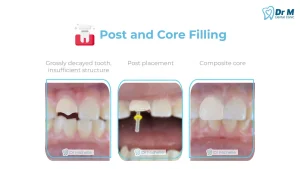
If decay has progressed close to or into the dental pulp, the tooth may require more extensive treatment.
Depending on the condition of the tooth, treatment options may include:
- A filling
- A protective restoration
- Root canal treatment
- A crown
- Extraction in cases where the tooth cannot be predictably restored
The appropriate treatment can only be determined after examining the tooth.

Why Should You Treat a Cavity Early?
A small cavity may require a relatively straightforward restoration.
However, if decay continues to progress, more of the tooth structure can be lost.
A deeper cavity may eventually cause pain or infection and require more complex treatment.
This is why it is generally better to have a suspicious tooth checked sooner rather than waiting until severe toothache develops.


How Can You Prevent Tooth Decay?
A dental filling repairs damage that has already occurred, but prevention remains an important part of oral health.
You can reduce your risk of tooth decay by:
- Brushing twice a day with fluoride toothpaste
- Cleaning between your teeth regularly
- Limiting frequent sugary snacks and drinks
- Drinking water regularly
- Avoiding prolonged sipping of sugary beverages
- Having regular dental check-ups
- Getting professional dental cleaning when recommended
If you have a high risk of tooth decay, your dentist may recommend additional preventive measures based on your individual needs.


Looking for a Dentist in Ipoh for a Dental Filling?
If you are searching for a dentist in Ipoh for a tooth filling, Dr M Dental Clinic Ipoh provides dental examinations and restorative dental care in a comfortable environment.
Our dental team includes:
- Dr Michelle Lau
- Dr Isaac Ng
- Dr Daniel Chua
- Dr Jayden Beh
Our clinic is open every day from 9 AM to 6 PM, including Saturdays, Sundays and public holidays.
Whether you have tooth sensitivity, a suspected cavity, a broken filling or a tooth that feels different when you bite, a dental examination can help identify the problem and determine the appropriate treatment.


Don’t Wait Until a Small Cavity Becomes a Bigger Problem
Tooth decay can progress without causing obvious symptoms in its early stages.
If you think you may have a cavity, arranging an examination with a dentist in Ipoh can help you understand the condition of your tooth and the treatment options available.
Dr M Dental Clinic Ipoh
Opening Hours: Every day, 9 AM – 6 PM
Including Saturdays, Sundays & Public Holidays