
Healthy gums play an important role in keeping your teeth firmly supported. However, when gum infection is left untreated, it can progress to periodontitis, a more advanced form of gum disease that can damage the tissues and bone supporting your teeth.
If you are looking for dental treatment in Ipoh and have noticed bleeding gums, persistent bad breath or loose teeth, it is important not to ignore these symptoms. Early assessment and appropriate treatment can help control gum disease and protect your remaining teeth.
What Is Periodontitis?
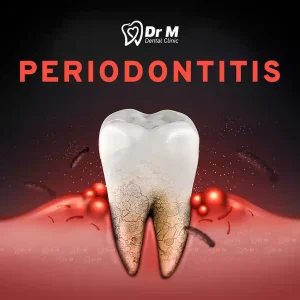
Periodontitis is a serious infection affecting the gums and the supporting structures around the teeth. It commonly develops when plaque, a sticky layer containing bacteria, is not adequately removed. Over time, plaque can harden into tartar, which can contribute to inflammation and infection around the gums.
As periodontitis progresses, pockets can develop between the gums and teeth. Bacteria can accumulate in these areas, causing further damage to the gum tissue and supporting bone.
Unlike a simple case of gingivitis, advanced periodontitis can result in irreversible loss of the bone supporting the teeth. This may eventually cause teeth to become loose and, in severe cases, lead to tooth loss.
Common Signs of Periodontitis
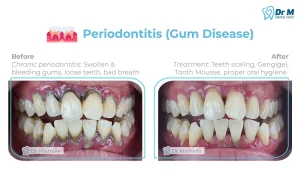
Periodontitis does not always cause significant pain, so some people may not realise they have a problem until the disease has progressed.
Some common warning signs include:
- Swollen or puffy gums
- Red or tender gums
- Gums that bleed when brushing or flossing
- Persistent bad breath
- Pus around the gums
- Receding gums
- Teeth appearing longer than before
- Loose or wobbly teeth
- Changes in the way your teeth bite together
- New spaces appearing between your teeth
Bleeding gums should not simply be considered normal. If your gums regularly bleed when brushing or flossing, it is worth having them checked by a dentist.
What Causes Periodontitis?
The process often begins with plaque buildup.
Plaque contains bacteria that can irritate the gums. If plaque is not removed effectively, it can harden into tartar. Tartar cannot be removed completely through normal brushing and flossing and usually requires professional cleaning.
Continued inflammation can cause the gums to pull away from the teeth, creating deeper periodontal pockets where bacteria can accumulate. Over time, this can damage the tissues and bone supporting the teeth.
Several factors may also increase the risk of periodontitis, including smoking, poor oral hygiene, certain medical conditions, genetics and some medications.
How Is Periodontitis Diagnosed?
During a dental examination, your dentist may assess the condition of your gums and look for plaque, tartar, bleeding and periodontal pockets.
A periodontal probe may be used to measure the depth of the spaces between the gums and teeth. Depending on the findings, dental X-rays may also be recommended to check for bone loss around the teeth.
The severity of periodontitis varies from person to person, so treatment should be based on your individual dental condition.
Periodontitis Treatment
The treatment approach depends on how advanced the gum disease is.
1. Scaling
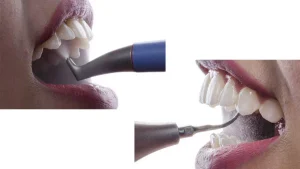
Scaling removes plaque and tartar from the surfaces of the teeth, including areas around and below the gumline.
For patients with gum disease, cleaning the visible surfaces alone may not be sufficient. Your dentist will assess where deposits are located and determine the appropriate treatment.
2. Root Planing
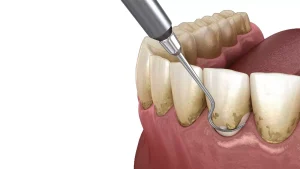
Root planing involves carefully cleaning and smoothing the tooth root surfaces. This helps remove bacterial deposits and makes it easier for the gums to heal and reattach to the teeth.
3. Mouth Rinses and Oral Hygiene Products
Depending on your condition, your dentist may recommend specific mouth rinses or topical oral hygiene products as part of your periodontal care.
These products should be used according to your dentist’s instructions rather than as a replacement for professional treatment.

4. Ongoing Maintenance
Treating periodontitis is not simply about cleaning the teeth once.
Good daily oral hygiene is important for maintaining the results of treatment. Brushing twice a day and cleaning between the teeth with floss or interdental cleaning aids can help control plaque buildup. Regular dental reviews and professional cleaning may also be recommended based on your gum condition.

For more advanced cases, additional periodontal treatment or referral to a gum specialist may be required.
Can Periodontitis Be Prevented?
Good oral hygiene and regular dental visits are important parts of preventing gum disease.
A simple daily routine includes:
- Brush your teeth twice a day with fluoride toothpaste
- Clean between your teeth every day
- Avoid smoking or tobacco use
- Have regular dental check-ups
- Follow your dentist’s recommended cleaning and maintenance schedule
Early gum disease can often be managed more easily before it progresses to significant damage.
When Should You See a Dentist?
If you notice bleeding or swollen gums, persistent bad breath, receding gums or loose teeth, do not wait until the problem becomes painful.
Periodontitis can progress without obvious pain, while damage to the supporting bone may continue. Getting your gums examined early allows your dentist to identify the condition and discuss appropriate treatment options.
If you are searching for dental treatment in Ipoh for bleeding gums, gum swelling or suspected periodontitis, a dental examination is a good place to start.
Dr M Dental Clinic Ipoh provides dental care for patients with a range of oral health concerns. Our dental team can assess your gums, explain your condition and recommend an appropriate treatment plan based on your individual needs.
Dr M Dental Clinic Ipoh
Opening Hours: Every day, 9 AM – 6 PM
Including Saturdays, Sundays & Public Holidays